After the Yes: Protecting Your Bridal Jewelry Vision in the Weeks When Everyone Has an Opinion
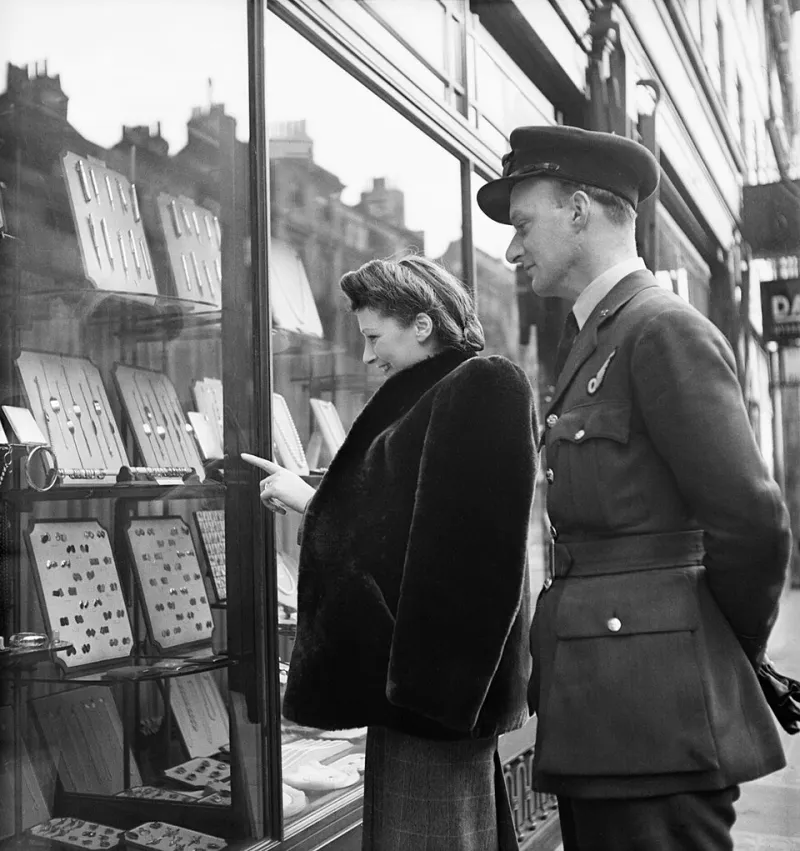
Photo: Ministry of Information Photo Division Photographer, Smith Jack, Public domain, via Wikimedia Commons
The engagement has been announced. The photographs have been shared. The congratulations have arrived in waves—texts, phone calls, comment threads that seem to multiply overnight. And somewhere inside all of that warmth and celebration, a quieter, more private question is still waiting for your attention: What do you actually want?
For many couples, the period between saying yes and sitting down with a jeweler is one of the most underestimated stretches of the entire engagement. It is also, paradoxically, one of the most vulnerable. Because once the world knows, the world tends to weigh in—and not always gently.
Understanding how to move through this season with intention, protecting your bridal jewelry decisions without closing yourself off from the people you love, is a skill worth cultivating early.
The Announcement Changes the Air
Before the engagement became public, your conversations with your partner about rings, styles, and gemstones belonged entirely to the two of you. There was a freedom in that privacy—an ability to explore ideas without needing to justify them or defend them against someone else's preferences.
The moment the announcement goes out, that dynamic shifts. Suddenly, your choices become a topic for collective conversation. A mother mentions the diamond solitaire she always imagined for you. A future mother-in-law describes a family piece she assumed would be incorporated. A close friend insists that sapphires are having a moment and you simply must consider them. A colleague asks whether you have looked at lab-grown stones yet, because she read something compelling.
None of these people mean harm. Most of them are expressing love. But love, expressed without invitation, can feel remarkably like pressure—and pressure, applied during a period when you are still forming your own vision, can quietly displace what you genuinely want with what others expect.
Distinguishing Genuine Input From Social Noise
Not all unsolicited opinions deserve equal weight, and learning to distinguish between them is one of the more useful things you can do in the early weeks of your engagement.
Genuine input tends to come from people who know you deeply—who understand your aesthetic sensibility, your relationship history, and what this moment means to you personally. It arrives with curiosity rather than certainty. It asks questions before it offers conclusions. And it respects, ultimately, that the decision belongs to you.
Social noise, by contrast, tends to be louder, faster, and less personal. It arrives through comment sections, through trend articles, through the well-meaning but essentially generic advice that circulates whenever someone announces an engagement. It is not wrong, exactly. But it is not tailored to you, and it should not be treated as though it is.
The discipline here is not cynicism. It is discernment. Receive genuine input with gratitude. Receive social noise with grace—and then set it aside.
The Particular Challenge of Family Legacy
Few conversations carry more emotional complexity than the ones involving family jewelry. Heirloom pieces, inherited stones, and generational expectations about what bridal jewelry should look like are a meaningful part of many American families' traditions—and they deserve to be approached with care.
If a family member has expressed hope that an existing piece will be incorporated into your engagement ring or wedding jewelry, that conversation merits a genuine hearing before it is dismissed. There may be real sentiment and real history attached to the request. Exploring whether an heirloom stone could be reset into a custom design that reflects your aesthetic, for example, is often a path that honors both legacy and personal vision simultaneously.
What is less productive is allowing that conversation to happen publicly, in the middle of the announcement period, before you have had time to reflect. If you sense that a family jewelry discussion is becoming charged, it is entirely appropriate to say, warmly and without apology: We are still in the early stages of thinking through our jewelry, and we want to give it the attention it deserves. Let's talk properly once we've had a chance to sit with it.
That is not evasion. That is respect—for the conversation, for the relationship, and for the decision itself.
Social Media and the Performance of the Engagement
The engagement announcement photograph has become a cultural institution in the United States, and with it has come a particular kind of pressure: the pressure to have everything figured out before the public has even finished congratulating you.
Engagement ring photographs prompt questions. Questions prompt timelines. Timelines prompt comparisons. And somewhere in that chain, the actual experience of choosing your jewelry—which should be one of the more personal and pleasurable parts of this season—can begin to feel like a performance you are failing to execute on schedule.
It is worth remembering that the photographs you share represent a moment, not a plan. You are not obligated to have selected a final design, confirmed a gemstone, or established a wedding date simply because you have announced your engagement. The timeline of your bridal jewelry decisions belongs to you and your partner, and it should be governed by your readiness—not by the appetite of an audience.
If the social dimension of your engagement is generating anxiety rather than joy, consider creating deliberate distance from it during the early weeks. Step back from the comment threads. Resist the urge to post updates before you are genuinely ready. Give your private process the privacy it requires.
Creating a Protected Space for the Real Conversation
The most practical thing an engaged couple can do in the period between announcement and appointment is to establish a clear boundary between the public conversation and the private one.
This might mean agreeing, as a couple, not to discuss your jewelry preferences with family members until you have first discussed them with each other—and ideally, with a jeweler whose expertise can help you understand what is actually possible within your vision and your budget. It might mean deciding together which family members' input you genuinely want to incorporate, and approaching those conversations proactively rather than reactively.
It almost certainly means giving yourselves permission to take longer than the world seems to expect. Custom bridal jewelry is not a decision that improves under pressure. The couples who arrive at their design consultations with the clearest sense of what they want are almost always the ones who protected their process early—who chose not to let the announcement period become a referendum on their choices before they had fully made them.
The Vision That Survives the Noise
There is something worth preserving in the way you felt about your jewelry ideas before the announcement went out—before the opinions arrived, before the comparisons began, before the timeline pressure set in. That original clarity, however tentative, is a valuable thing.
At Sonia Jewellery & Bridal, we have sat with many couples who arrived at their first appointment carrying not just their own ideas, but a considerable accumulation of everyone else's. Part of what a thoughtful design consultation offers is the chance to set all of that down—to return to what you actually want, and to begin building from there.
The engagement period is short. The jewelry you choose will endure for decades, carried forward into anniversaries and inheritances and stories told long after the wedding itself has become memory. That endurance deserves a beginning that is genuinely yours.