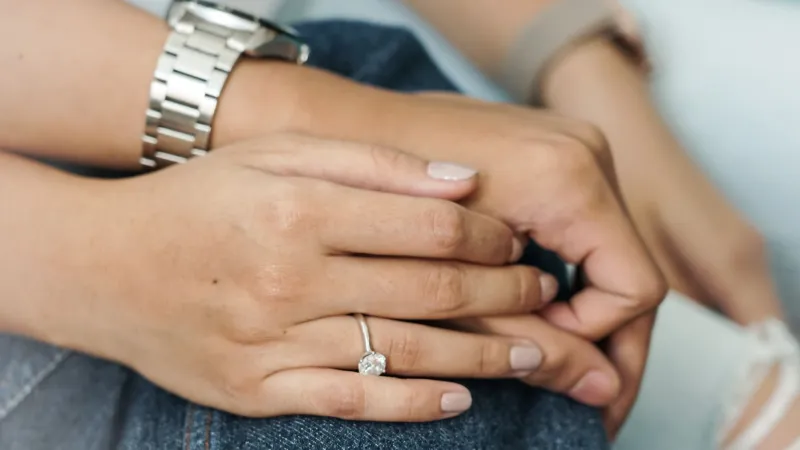
From Yes to I Do: The Engagement Ring Journey Nobody Prepares You For

Most couples enter the engagement period with a general sense that choosing a ring takes time. What they rarely anticipate is how much that time matters—and how differently each phase of the process feels depending on where they are emotionally, logistically, and financially. The engagement ring timeline is not a straight line. It is, in many ways, a mirror of the relationship itself: nonlinear, deeply personal, and shaped by forces that no checklist can fully account for.
At Sonia Jewellery & Bridal, we have accompanied countless couples through this journey. What we have observed over the years is that the couples who feel most at peace with their final selection are rarely those who moved fastest. They are the ones who understood which phase they were in—and responded accordingly.
Phase One: The Announcement Window (Weeks One Through Four)
The period immediately following an engagement announcement is, for most couples, one of extraordinary emotional intensity. Family calls, social media posts, celebratory dinners—there is very little quiet in these early weeks. And yet, this is precisely when many couples feel the social pressure to begin ring shopping immediately.
Our counsel is consistent: resist that pressure.
The announcement window is not an ideal time to make lasting design decisions. Emotions are elevated, outside opinions are abundant, and the couple has not yet had the opportunity to sit quietly with their own preferences. Use this period to observe rather than decide. Notice which styles catch your eye on other people's hands. Pay attention to what draws you in when you browse casually—not with a credit card in hand, but with genuine curiosity.
This phase is also the right moment to have an honest conversation about budget. Not the number you feel comfortable announcing publicly, but the number that genuinely reflects your financial priorities as a couple entering a new chapter together.
Phase Two: The Research Phase (Weeks Four Through Eight)
Once the initial celebration settles, most couples enter what we call the research phase. This is when spreadsheets appear, Pinterest boards multiply, and the terminology of gemology begins to feel both fascinating and overwhelming. The four Cs of diamonds, the differences between platinum and white gold, the distinction between a halo setting and a pavé band—these are all legitimate areas of study, and understanding them will serve you well.
However, the research phase carries its own risk: paralysis. The sheer volume of available information can make every decision feel consequential in a way that stalls progress entirely. When couples arrive at their first consultation having spent eight weeks researching but unable to articulate a single clear preference, that is a signal that research has become a substitute for decision-making rather than a foundation for it.
The antidote is a structured first consultation with a trusted jeweler. A skilled designer does not simply present options—they help you translate what you have absorbed into a coherent visual language. This is where the research phase should culminate, not continue indefinitely.
Phase Three: The First Consultation and Its Aftermath (Weeks Eight Through Twelve)
A first meeting with a custom jewelry designer is often more revelatory than couples expect. Seeing stones in person, holding settings, and speaking with someone who can explain the relationship between proportion and light—these experiences frequently shift preferences that seemed fixed during the research phase.
Allow yourself to be surprised. The ring you envisioned during months of online browsing may not be the ring that moves you when you see it in person. This is not indecision. It is discernment.
After the first consultation, give yourself a pause of at least one to two weeks before committing to a design direction. This interval allows the experience to settle and ensures that your enthusiasm for a particular design is genuine rather than a product of the moment. Many of our most satisfied clients describe this pause as the point at which they stopped imagining their ring and started truly seeing it.
Phase Four: Design Refinement and Stone Selection (Weeks Twelve Through Twenty)
For couples pursuing a custom design—which represents the majority of our clientele—the design refinement phase is where the real work begins. This is also where the timeline most frequently goes off course.
Stone selection, in particular, deserves more time than most couples allocate. Choosing a center stone is not simply a matter of identifying a diamond or gemstone that meets your technical specifications. It is about finding a stone that speaks to you—one whose character, light return, and presence feel right in a way that is difficult to articulate but unmistakable when experienced.
We recommend building at least four to six weeks into your schedule specifically for stone selection if you are sourcing a significant center stone. If your wedding date falls in the spring or early summer, this means beginning that process no later than January of your wedding year. Fall weddings warrant a stone selection window no later than late spring.
Design revisions during this phase are normal and healthy. Expect one to three rounds of adjustments before a final design is approved. Each revision is not a setback—it is evidence that you are paying attention.
Phase Five: Production and Final Approval (Weeks Twenty Through Twenty-Eight)
Once a design is approved and a stone is selected, production for a custom piece typically requires eight to twelve weeks, depending on complexity. This timeline is non-negotiable for quality work. Rushing production is one of the most common—and most costly—mistakes couples make.
Build your production window into your overall wedding timeline with a minimum of four weeks of buffer between ring completion and your wedding date. This buffer accommodates any final sizing adjustments, allows time for professional photography if desired, and ensures that unexpected delays do not become crises.
The final approval—the moment you first see your completed ring—is a distinct emotional experience that deserves its own space. Do not schedule it on a day crowded with other wedding planning obligations. Allow it to be the singular moment it is.
Knowing When to Pause and When to Commit
Perhaps the most useful thing we can offer couples navigating this timeline is a simple distinction: pausing is not the same as stalling. Pausing with intention—to allow a decision to settle, to gather information, to let initial excitement clarify into genuine preference—is an act of wisdom. Stalling, by contrast, is pausing without purpose, often driven by anxiety rather than discernment.
When you notice yourself revisiting the same questions repeatedly without new information to consider, that is typically a signal that you are ready to commit—and that what is holding you back is not uncertainty about the ring, but the natural weight of permanence that accompanies a decision of this magnitude.
That weight is appropriate. It reflects the significance of what you are creating: not merely a piece of jewelry, but the first physical expression of a shared future.
At Sonia Jewellery & Bridal, we believe that the ring you choose should feel like it could not have been anything else. Reaching that certainty takes the time it takes—and that time is never wasted.