After the Un-Engagement: Turning a Broken Promise Into a Piece That Belongs to You
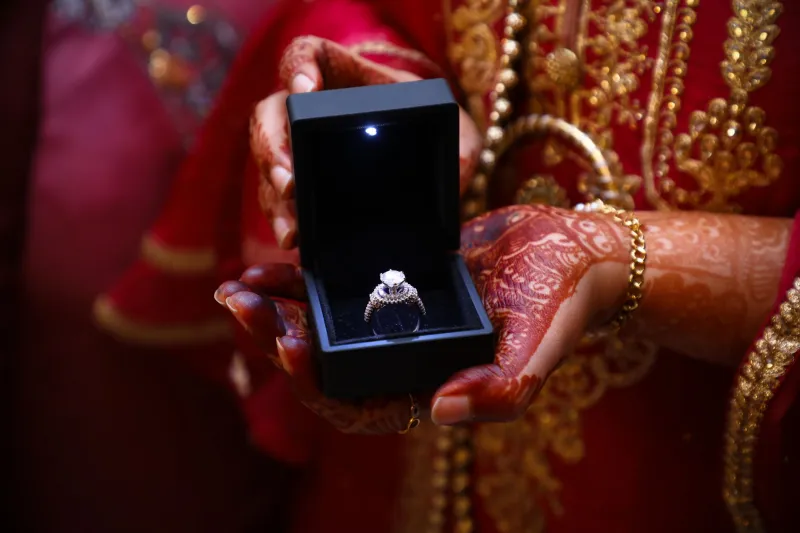
No one registers for the ending. Couples prepare for weddings with spreadsheets and seating charts, but almost nobody prepares for the conversation that begins with a ring box returned to a nightstand drawer. Yet engagements dissolve more often than we admit, and when they do, the jewelry remains — beautiful, expensive, and suddenly complicated.
At Sonia Jewellery & Bridal, we believe honesty is part of the service. So here is the conversation the bridal industry rarely hosts: what actually happens to a ring when the engagement it marked comes to a close.
Start With the Calendar, Not the Emotion
The first weeks after a broken engagement are the worst possible time to make financial decisions, which is precisely why you should understand your options before emotions cloud them. Most American retailers — from national chains to independent boutiques — operate on return windows ranging from fourteen to thirty days for engagement rings, and many require the original receipt, undamaged packaging, and an untouched setting.
Custom pieces are a different matter entirely. A ring designed specifically for one couple generally cannot be returned once production begins, because the labor and materials have already been committed to a one-of-a-kind commission. This is one of the under-discussed trade-offs of going custom: the intimacy of the process comes with less of a financial exit ramp.
If you are within a standard return window, act quickly. Call the jeweler, ask about their policy in writing, and resist the urge to wait until you feel ready. Readiness rarely arrives on the retailer's schedule.
The Resale Reality Check
For rings outside a return window, the secondary market is where optimism meets arithmetic. The honest truth: a pre-owned engagement ring typically resells for somewhere between twenty and fifty percent of its retail price, depending on the stone's quality, certification, and current demand.
A few factors shape that number:
- Certified diamonds with documentation from GIA or a comparable laboratory hold value far better than uncertified stones, because buyers can verify exactly what they're purchasing.
- Larger, high-quality center stones attract dealer interest; modest stones often do not, since resellers have little margin to work with.
- Designer settings rarely recover their craftsmanship premium. The market pays for the diamond; the setting is essentially a sunk cost.
- Marketplace fees on platforms like consignment sites and auction houses typically run fifteen to forty percent, which further narrows the return.
Selling is not a failure. For many women, it is the cleanest possible ending — the ring converted into something with no emotional residue at all. But it is worth knowing, before you list anything, that the number will likely sting. Plan for that feeling the way you'd plan for the transaction itself.
The Third Option Nobody Talks About Enough
There is a growing movement, particularly among American women in their late twenties and thirties, toward a different answer entirely: keeping the stone and changing the story.
A diamond is not an engagement. It is a geological object that existed for billions of years before a proposal and will exist for billions more after one. The setting is where the heartbreak lives — and settings can be changed.
We have worked with clients who transformed a solitaire engagement ring into a right-hand ring they wear to every job interview and every birthday dinner. Others have reset a center stone into a pendant for a daughter, or a trio of stones into earrings that mark a promotion rather than a promise. One client had her stone set into a signet ring — a piece with no romantic vocabulary at all, just strength and history.
The process is simpler than most people expect. A consultation, a design conversation, a few weeks of bench work. What emerges is not a consolation prize; it is a deliberate act of authorship. You are deciding what this stone means now, on your own terms.
Whose Ring Is It, Legally?
A brief, necessary note on the legal landscape, because it varies across the United States. In the majority of states, an engagement ring is considered a conditional gift — given in anticipation of marriage — and courts have generally held that it should be returned to the giver if the wedding does not happen, regardless of who ended the engagement. A handful of states consider fault, and a few treat the ring as unconditional the moment it's given.
If the ring was a family heirloom from your former partner's side, the answer is almost always the same: it goes home. If you're unsure about your situation, a brief consultation with a family attorney is a far better investment than a prolonged dispute.
But here is what matters beyond the law: when the stone is rightfully yours to keep, you owe no one an explanation for what you do with it. Reset it, wear it, sell it, or leave it in a drawer for a decade. Grief does not operate on anyone else's timeline.
A Legacy You Write Yourself
Our philosophy at Sonia Jewellery & Bridal has always been that jewelry should serve the wearer's life, not the other way around. That principle doesn't pause when a chapter ends — if anything, it matters most there.
An engagement that ends is not a story erased. It is a story edited. And some of the most meaningful pieces we have ever made began as something else entirely — a stone that survived, a woman who chose to keep going, and a design that finally, fully, belonged to her.