Seven Questions That Will Make or Break Your First Custom Ring Consultation
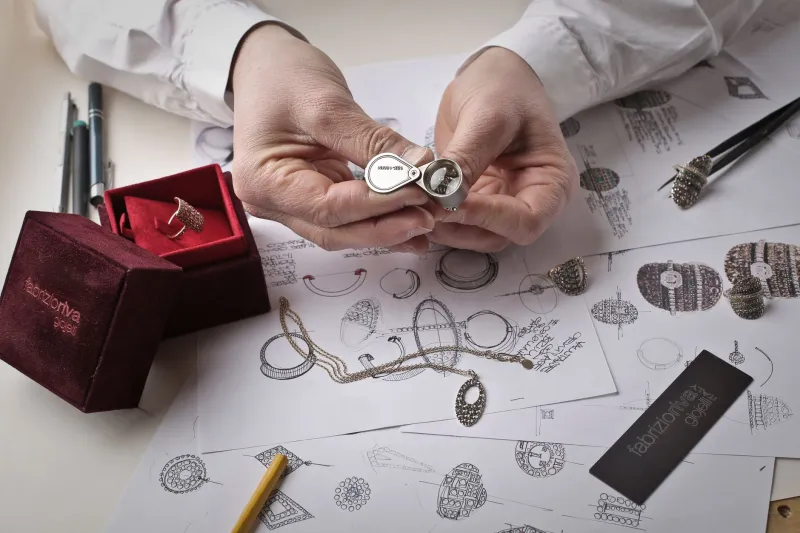
So you've decided to go custom, and you're doing it alone. Deep breath. The consultation is not a test of your jewelry knowledge — any jeweler worth their loupe expects to educate. But it is a two-way evaluation: you're interviewing them as much as they're advising you.
After years of guiding partners through this exact moment, we've distilled the seven questions that reveal everything you need to know. Ask them all. Listen carefully to the answers.
1. "Can You Walk Me Through Your Design Process, Start to Finish?"
Why it matters: Custom work should follow a clear arc — consultation, design sketches or CAD renders, approval, sourcing, crafting, delivery. If the process sounds improvised, it probably is.
A great answer sounds like: A structured timeline with defined checkpoints where you approve each stage before moving forward, typically eight to twelve weeks total.
Red flag: Vagueness. "We'll figure it out as we go" is how timelines double and budgets balloon.
2. "How Do You Source Your Diamonds, and What Certification Comes With Them?"
Why it matters: Certification is the diamond's birth certificate and resale passport. It's also your proof that what you're paying for is what you're getting.
A great answer sounds like: Immediate references to GIA, IGI, or GCAL certification, transparency about whether stones are earth-mined or lab-grown, and willingness to show you the actual grading reports.
Red flag: "Our own in-house grading is just as good." It isn't. Independent certification exists precisely because in-house grading has a conflict of interest.
3. "What Happens If I Don't Love the Design?"
Why it matters: You need to know your leverage before you need it, not after.
A great answer sounds like: Clear revision policies — often two or three included design revisions — and a defined point (usually before casting or stone-setting) at which deposits become non-refundable.
Red flag: Any hesitation to put revision terms in writing, or a deposit structure that's 100% upfront with no approval gates.
4. "How Much Is the Deposit, and What's the Payment Schedule?"
Why it matters: Custom work legitimately requires deposits — the jeweler is sourcing materials and committing bench hours. But the structure tells you a lot about how they do business.
A great answer sounds like: Something like 50% at commission, the balance at completion, with a written estimate that itemizes stone, metal, and labor separately.
Red flag: Pressure to pay everything immediately, or quotes given only as vague totals with no breakdown.
5. "Can You Show Me Pieces You've Made Similar to What We're Discussing?"
Why it matters: Portfolio photos of other jewelers' work on a website prove nothing. You want evidence of their bench.
A great answer sounds like: Actual pieces in the case, photos of completed commissions with their original CAD renders, and ideally a client or two willing to share their experience.
Red flag: A portfolio that looks like a catalog of generic styles, or deflection toward "inspiration pieces" from Pinterest.
6. "What Warranty and Care Do You Provide After the Sale?"
Why it matters: A ring is a fifty-year relationship with an object. Prongs wear, stones loosen, resizing becomes necessary. The aftercare is where great jewelers distinguish themselves.
A great answer sounds like: Specific commitments — free annual inspections, complimentary cleaning for life, a workmanship warranty of at least a few years, and clear pricing for future services like resizing or rhodium plating.
Red flag: "We'll take care of it," full stop. Warm words without terms are just words.
7. "I Know Roughly What She Loves — Can You Help Me Refine It?"
This one is less a question than an opening. Watch what the jeweler does with it.
Why it matters: The best custom jewelers are part designer, part translator. You'll describe her — maybe her style, a Pinterest board, her grandmother's ring — and a great jeweler will ask sharp questions: Does she wear gold or silver? Statement pieces or quiet ones? Does she work with her hands? What did she say about a friend's ring, once, in passing?
A great answer sounds like: Curiosity. Follow-up questions. Sketching while you talk. A suggestion you might not have thought of that makes you think yes, that's her.
Red flag: A jeweler who steers you immediately toward whatever is in the case, or pushes the largest stone your budget allows without asking a single question about the person who'll wear it.
One Final Piece of Advice
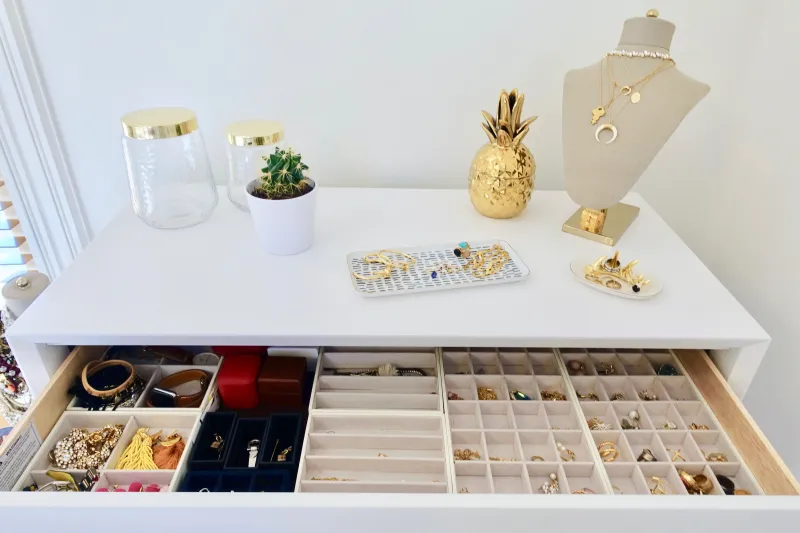
Bring everything you have: screenshots, saved posts, a photo of her jewelry box if you can get one discreetly. And take notes during the consultation — not because you won't remember, but because comparing two or three jewelers afterward is far easier with details on paper.
Most importantly, trust the feeling you leave with. The right jeweler will send you out the door more confident than when you walked in — clearer about the design, the timeline, and the budget, and genuinely excited about the moment she opens that box.
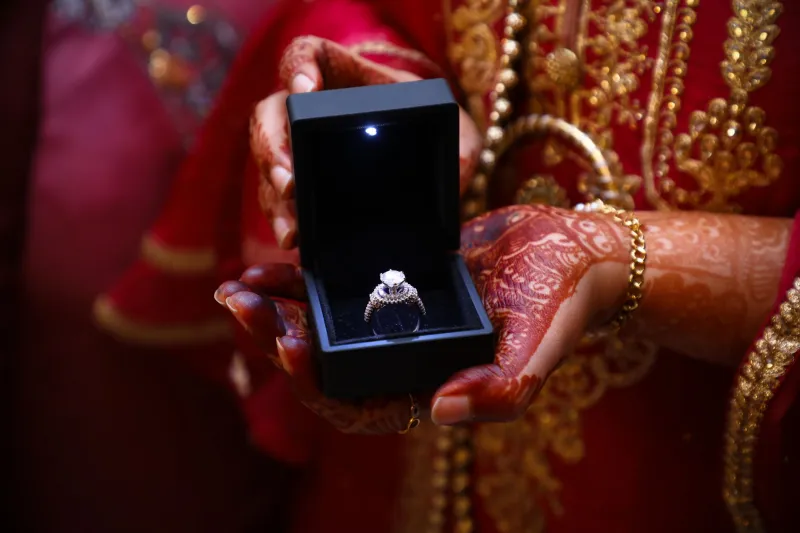
That confidence is the real product. The ring is just how it's delivered.